
The Loch of the Lowes Path takes you to the Scottish Wildlife Trust Wildlife Reserve and Visitor Centre where you may see breeding ospreys, otters, deer and many birds including kingfishers.
Transport: 20 minutes' walk from Dunkeld and Birnam train station to the start of the path in the centre of Dunkeld.
See our Guide to Dunkeld for more places to visit, accommodation and restaurants.
The RSPB reserve is a further 10 minute walk after the Barracks, on an off road path which is part of the Speyside Way. This spectacular wetland is one of Europe's most important.
It is best to visit in springtime for nesting lapwings, redshanks or curlews, or in the winter when the marsh floods. We really enjoyed the amazing views from the Lookout over the valley and mountains.
Transport: 35 minutes' walk from Kingussie train station.
See our Guide to Kingussie for more places to visit, accommodation and places to eat.
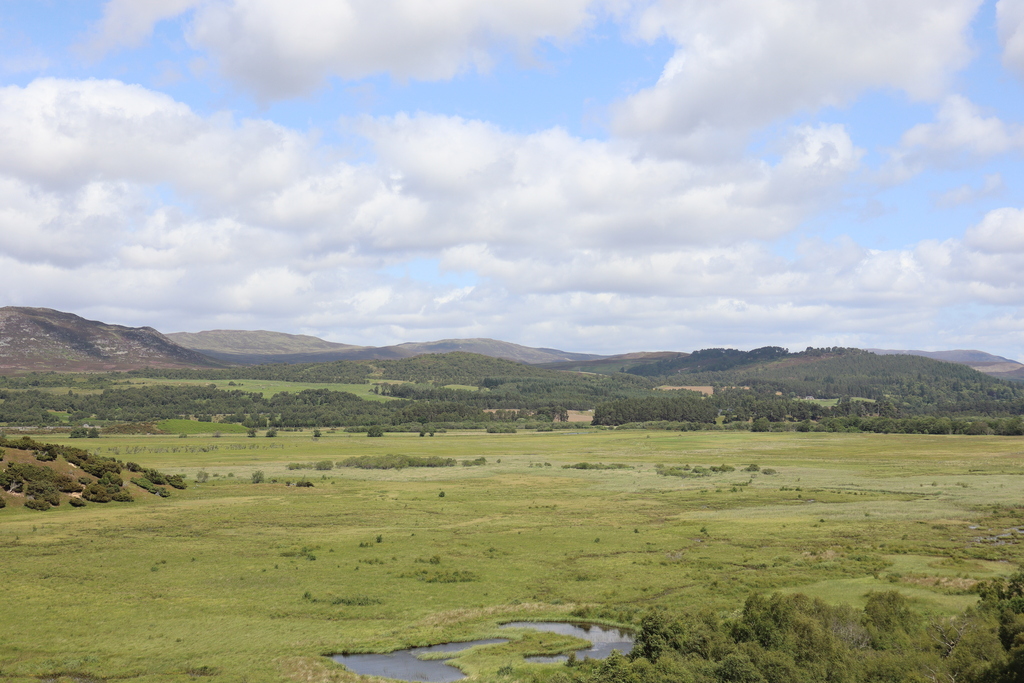
View from the Lookout
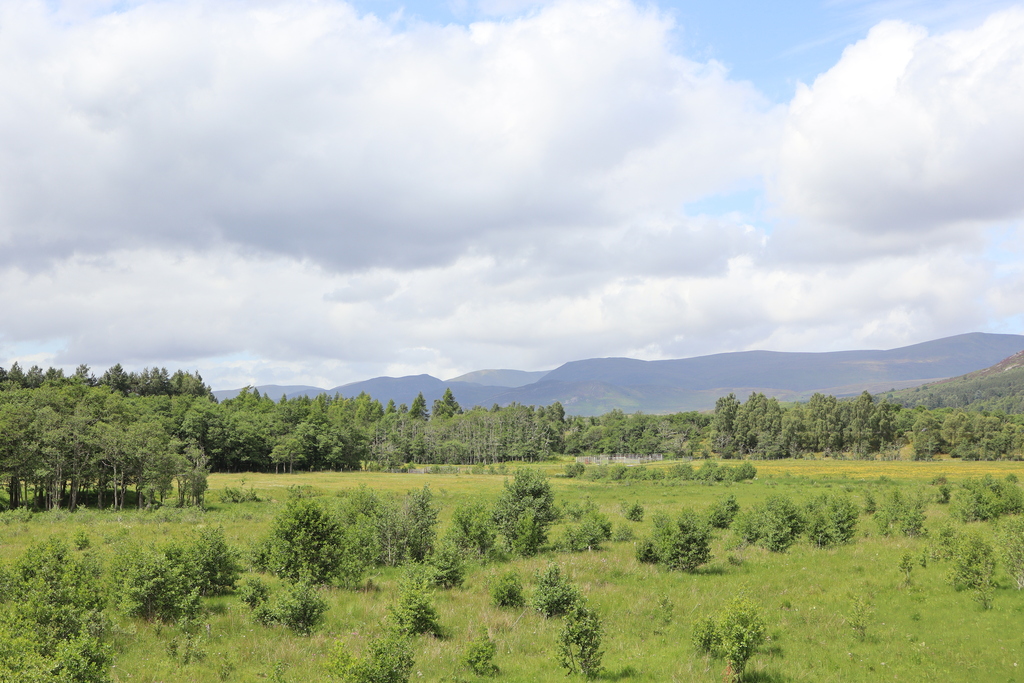
You can see for miles!
CRAIGELLACHIE NATIONAL NATURE RESERVE
Behind the town is the reserve on a hill, simply follow the signs from the centre. There are a range of trails from half a mile to nearly 3 miles.
The reserve is renowned for its birch trees and peregrine falcons which often nest high on the rocky crags.
Transport: 10 minutes' walk from Aviemore train station.
See our Guide to Aviemore for more places to visit, accommodation and restaurants.
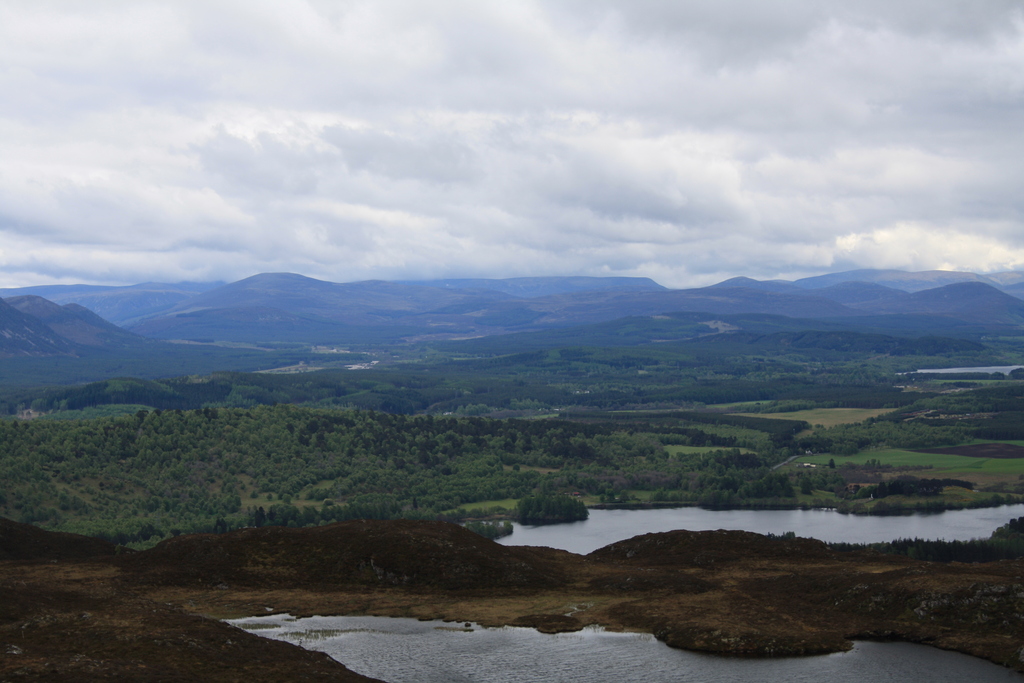
You will be rewarded for your climb with fantastic views
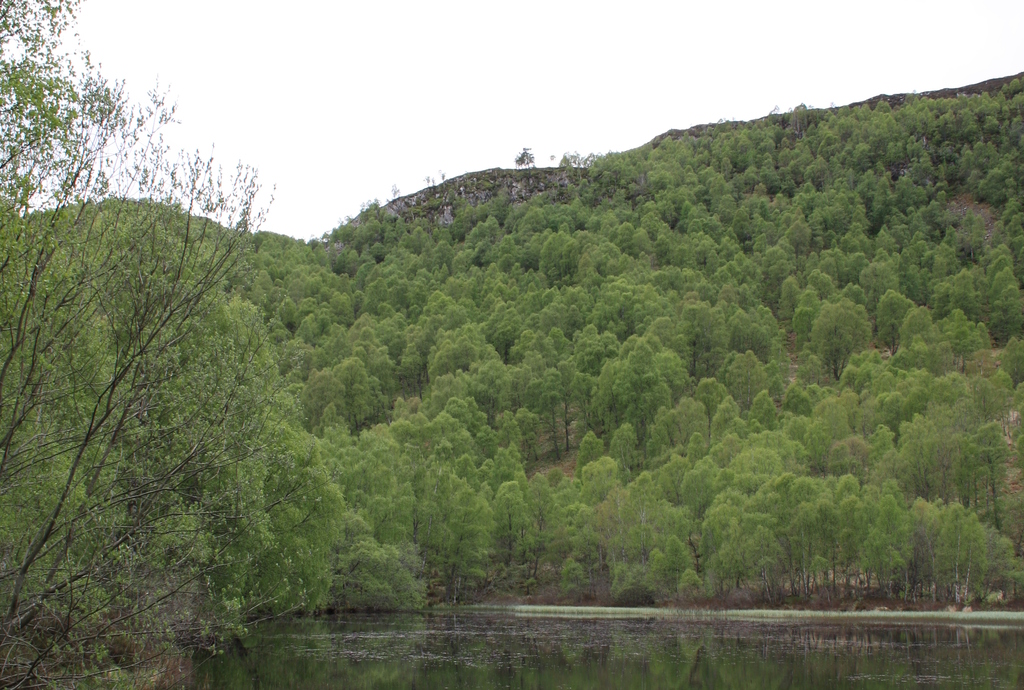
Inside the nature reserve
FAIRY GLEN NATURE RESERVE, ROSEMARKIE
This RSPB reserve is a tranquil, steep sided wooded glen with a footpath leading along the stream and up to two waterfalls.
Transport: 30 to 40 minutes' bus journey from Inverness.
See our Guide to the Inverness to the Black Isle route for more places to visit, accommodation and places to eat.
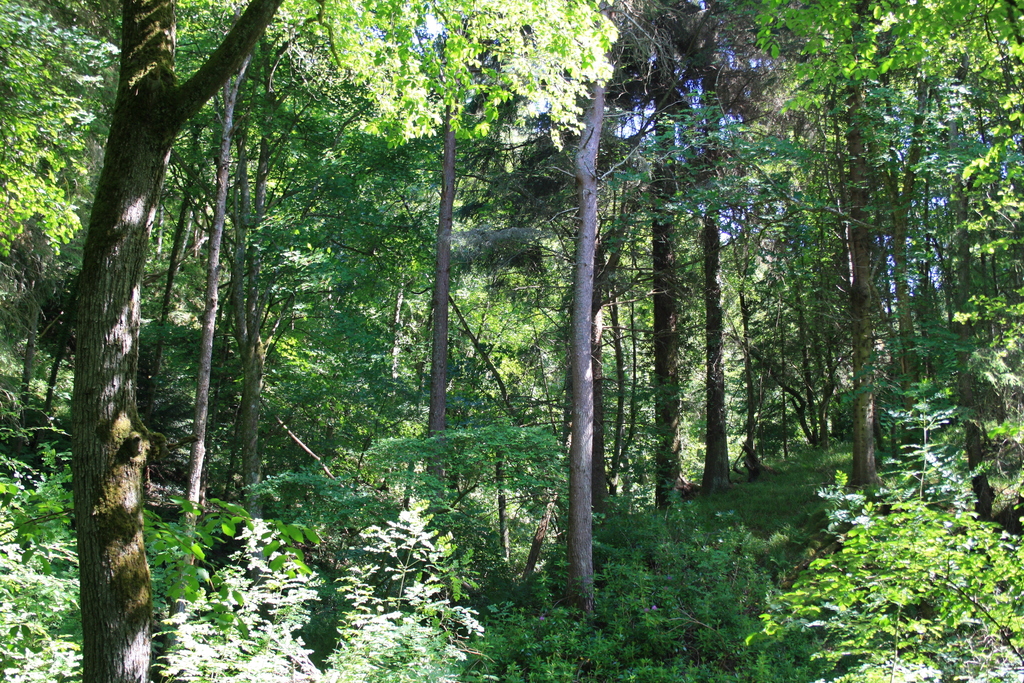
Woods at Fairy Glen
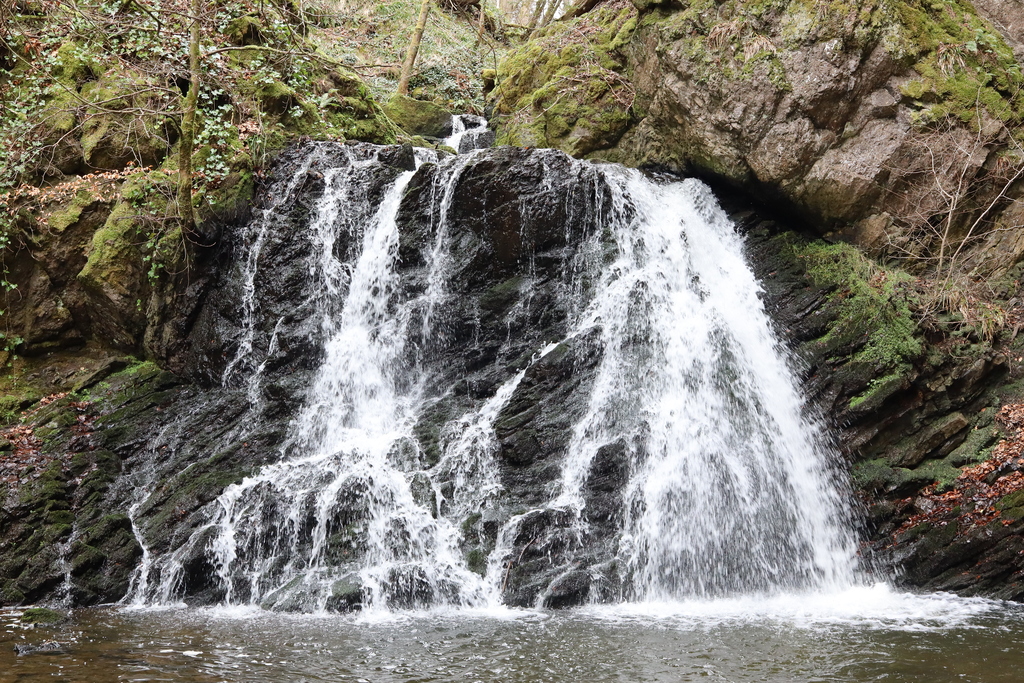
One of the two waterfalls
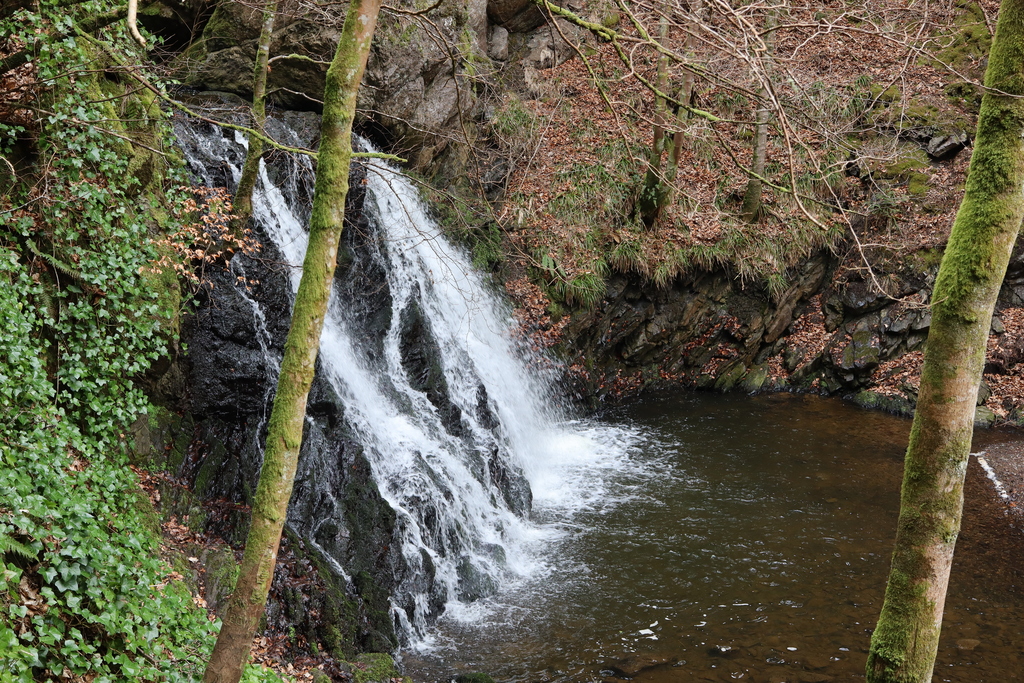
Second waterfall
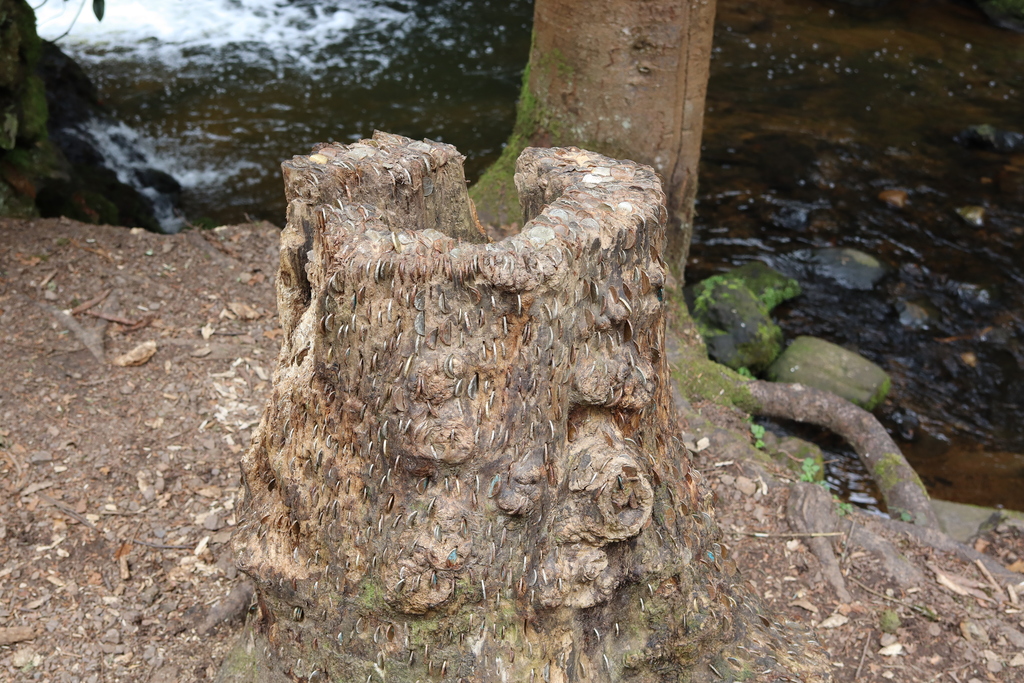
Some of the tree stumps have coins stuck in them
LOCH FLEET NATIONAL NATURE RESERVE
This tidal basin nature reserve is one and half miles' walk from the village. There is an off road path to reach it which has fantastic views over the sea one one side and the mountains on the other side.
Once at the reserve there are then various walking trails available to explore the loch, the sand dunes and the native Scots pine forest.
Transport: 35 minutes' walk from Golspie train station.
See our Guide to Golspie for more places to visit, accommodation and places to eat.

Approach to the reserve from Golspie village
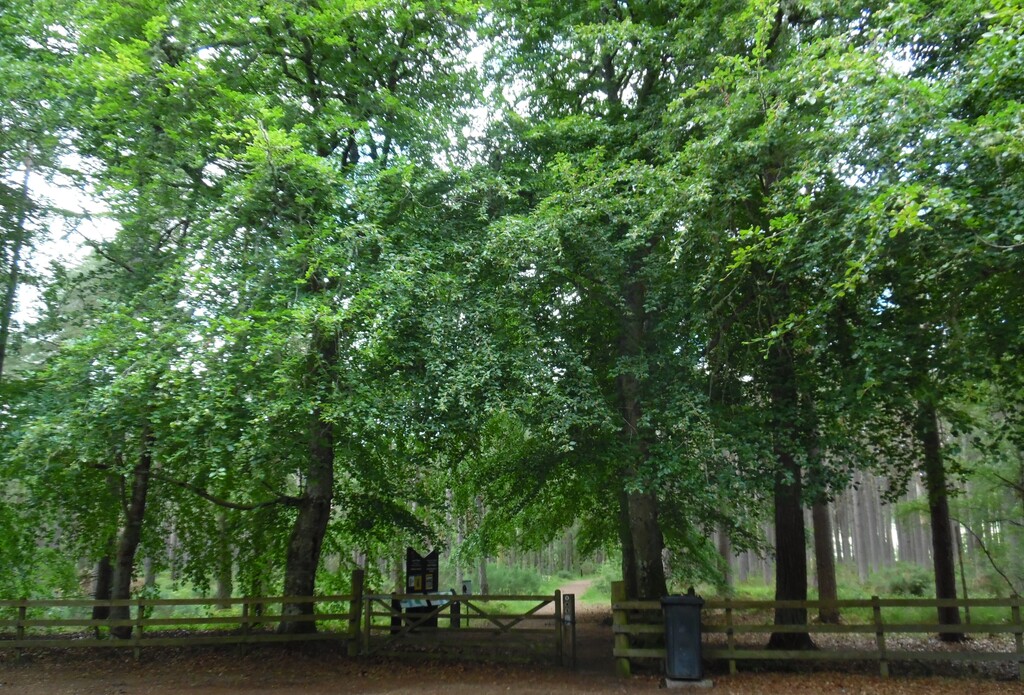
Entrance to Balblair Wood - the wildlife hide is 20 minutes' walk away

Loch Fleet with the wildlife hide in the distance
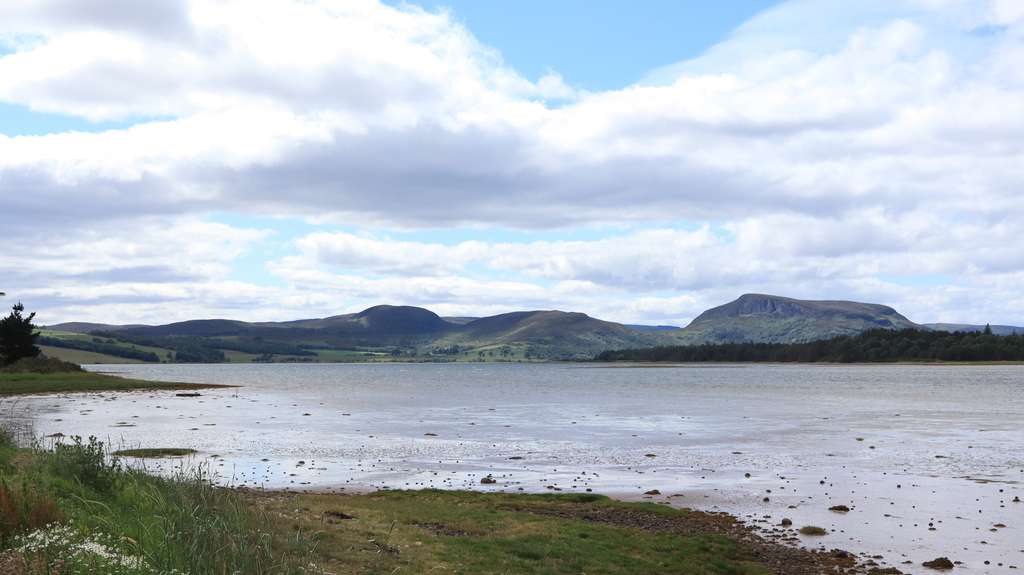
Wonderful mountain views from the loch
Forsinard is a unique, remote stop-off point – a small station deep in the heart of The Flow Country. It is a UNESCO world heritage site consisting of the most intact and extensive blanket bog system in the world.
The station building hosts the Forsinard RSPB Reserve Visitor Centre where you can learn all about the history of this fascinating area.
A short walk away is the modern viewing tower (hold on to your hat!) and there are also nature trails of 45 minutes and 2-3 hours. When we visited we were excited to see lots of tiny lizards.
See our Guide to Forsinard for more information including accommodation and where to eat.
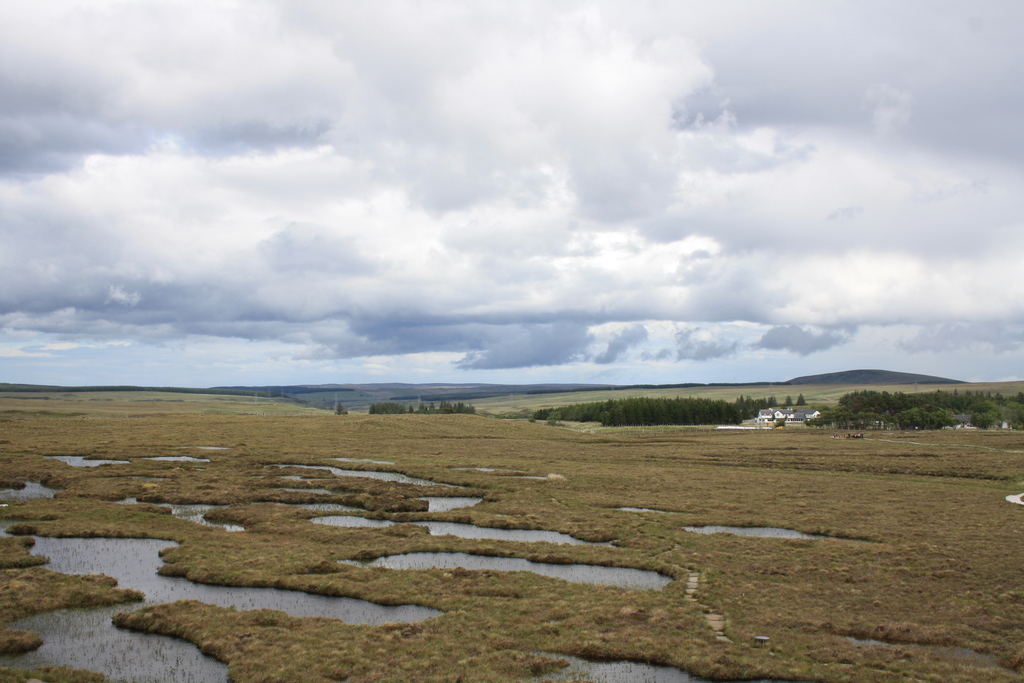
Forsinard hamlet from the viewing tower path
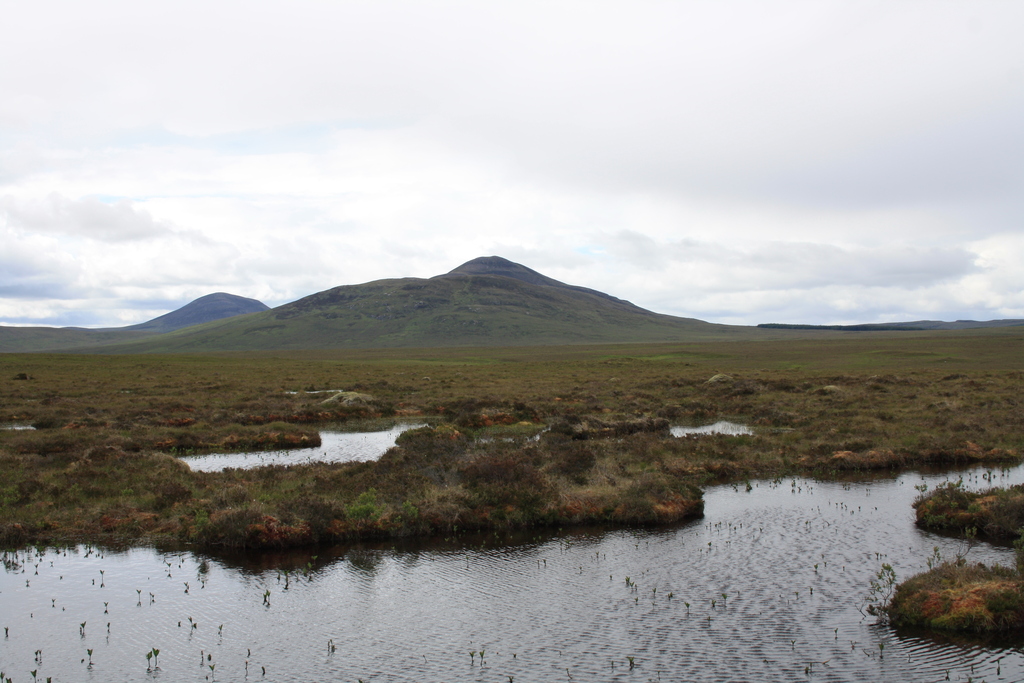
This is one of the most remote parts of Europe
The highlight of Nairn is the Sands. The area was part of an estate until it was overrun by sands in 1694. It was not until the Forestry Commission planted trees in 1922 that the area was stabilised.
Today it is a great place to view wildlife and get away into the countryside. There are many walks and places to relax. It is especially good for watching birds, with the RSPB looking after the site.
Transport: 30 minutes' walk from Nairn train station to East Beach car park, followed by half a mile of footpath to reach the reserve.
See our Guide to Nairn for more places to visit, accommodation and restaurants.
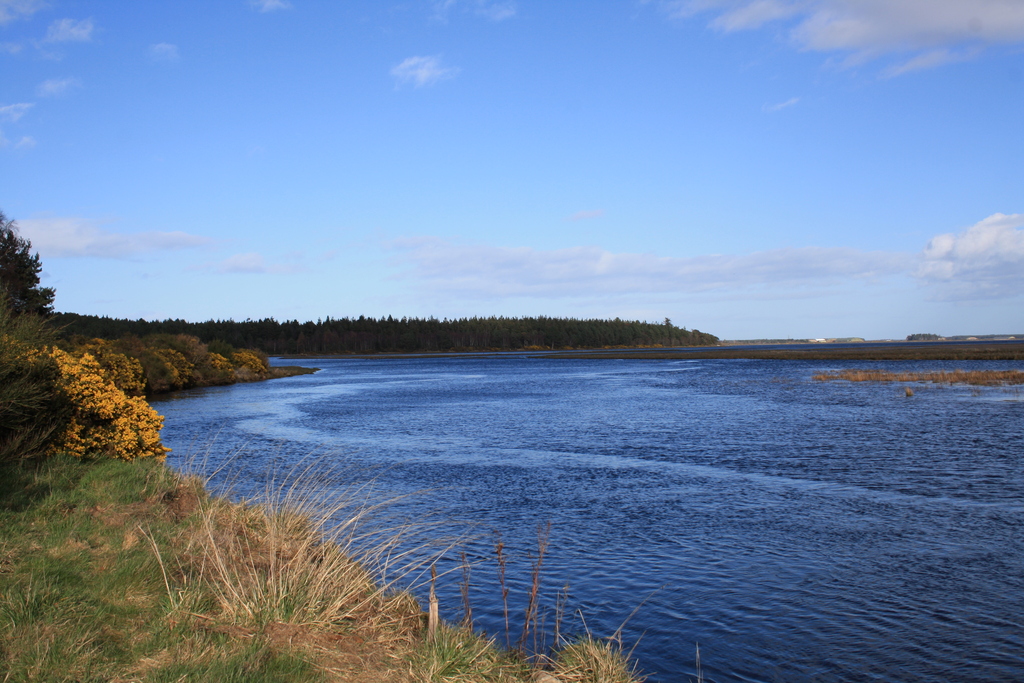
Culbin Sands
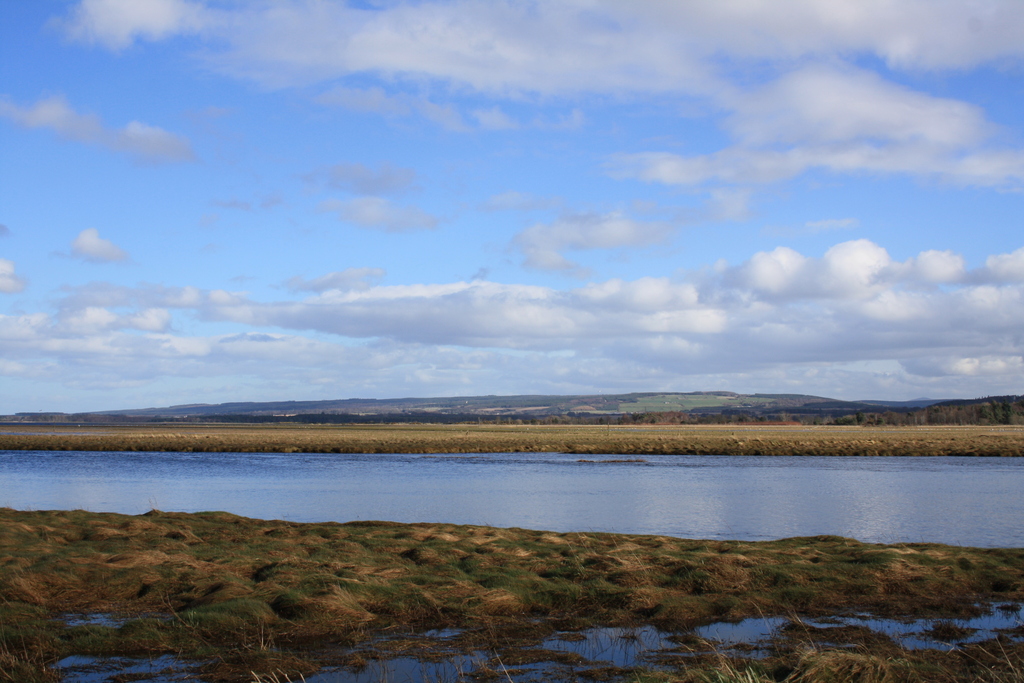
Beautiful views
NEARBY FINDHORN BAY NATURE RESERVE
The coastal village of Findhorn is interesting and worth a visit. It has a popular long sandy beach. Findhorn Bay is a local nature reserve which is home to a variety of migrant and resident birds.
Transport: 20 minutes' bus journey from Forres - see Stagecoach service 32.
See our Guide to Forres for more places to visit in Findhorn and Forres, accommodation and restaurants.
GLOUP & MULL HEAD NATURE RESERVE, DEERNESS
On the east end of the mainland lies 160 hectares of heath and grassland on a cliff top setting. The sandstone cliffs are home to nesting birds such as kittiwakes, guillemots, razorbills and fulmars.
Other birds, including gulls and skuas, prefer to nest on the open heathland. There is also interesting plant life and some historic buildings including the remains of a Norse chapel at Brough of Deerness.
There are many pleasant cliff top walks once at the location. There is also a visitor centre with wildlife information and toilets.
Transport: 35 minutes' bus journey from Kirkwall to Deerness, followed by 20 minutes' walk. It is also possible to cycle out on relatively quiet roads from Kirkwall.
See our Guide to Orkney for more places to visit.
SUMBURGH HEAD RSPB NATURE RESERVE
Sumburgh Head (grid reference HU407079)
Two miles’ walk from Sumburgh is the RSPB Reserve Sumburgh Head. This 100 metre high cliff attracts thousands of seabirds including puffins, fulmars, guillemots and shags, as well as whales, orcas and dolphins.
The lighthouse is now a Visitor Centre with cafe and toilets. The RSPB Reserve is open year round and is free to visit, while the visitor centre is open April – September and has an admission charge.
See our Guide to Shetland for more places to visit.
See our Guide to the Inner Hebrides for more information about these islands.
Rum, Small Isles
Rum is by far the largest of the Small Isles and with its jagged volcanic mountains, is a distinctive feature of the west coast. Rum National Nature Reserve covers most of the island, with otter, sea eagle and a unique mountaintop colony of Manx shearwaters.
Also on the Island is the remarkable Kinloch Castle, a derelict, publicly-owned former hunting lodge which is currently for sale.
The Island is covered in tracks and small trails making it ideal for exploring on foot or bike. See Isle of Rum for more details.
Coll
The low-lying Island of Coll is characterised by its landscape of sandy beaches, sand dunes and freshwater lochs. The Island’s only village is the quiet, fishing village of Arinagour.
There is a population of 150. It’s the perfect place for those wishing to escape modern life and do nothing more strenuous than walk the Island’s beaches or discover the local flora and fauna.
In summer particularly, the sound of skylarks, the fragrance of the flowers and the views of distant shimmering islands make this a very special place.
From May to August, Coll’s RSPB Nature Reserve plays a crucial role in the protection of the corncrake, a bird that is globally endangered but one of the rarest and fastest declining in the UK due to intensive agricultural methods.
On this reserve, and throughout the islands, the RSPB encourage corncrake-friendly farming methods. However, the corncrake is just one of many species found on the island – the opportunity to see redshanks, lapwing, snipe and in winter, barnacle and Greenland white-fronted geese make this an ornithologist’s paradise.
And it’s not just a place for nature lovers. Those interested in the islands heritage will be fascinated by Coll’s iron-age forts, crannogs (an ancient type of loch side house) and ‘Na Sgeulachan’ (Teller of Tales) standing stones.
The island is 13 miles long in total and may be explored by foot or bike. See Visit Coll for more details.
RSPB LOCH GARTEN NATURE RESERVE
It is a three mile walk from Boat of Garten through nice scenery, or take your bike as it is on the National Cycle Network (on road route). Ospreys may be viewed between April and August.
See our Guide to Aviemore to Grantown-on-Spey for more places to visit, accommodation and places to eat.
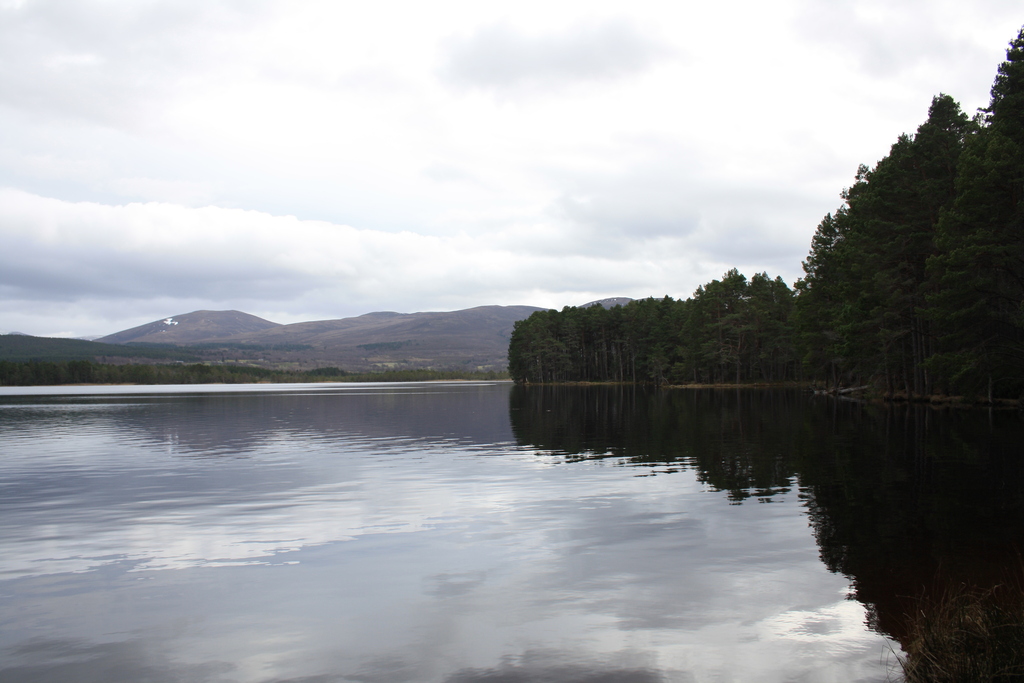
Loch Garten
Page last updated 2 July 2026