
Linking the train lines in Inverness and the West Highland Line in Fort William are two coach services: Citylink coach service 919 and Ember Electric Buses service E14.
From the coach you can enjoy wonderful views including of the Great Glen, Loch Ness (sit on the left of the coach for the best views), Fort Augustus, Loch Oich and Loch Lochy.
There are a few places where you may wish to break your journey which we have detailed below. You would need to purchase separate tickets if you break your journey (Citylink allows a break in the journey only for interchange purposes (i.e. changing in Fort William for the Oban service).
It is also possible to continue to Oban. With Ember this doesn't involve a change. With Citylink this involves changing in Fort William on to the West Coast Motors service 918 (through tickets sold on the Citylink website).
Route: Inverness - Fort Augustus - Fort William - Oban
Trip length Citylink: 2 hours 10 minutes to Fort William, 4 hours 15 minutes or 4 hours 55 minutes to Oban (depending on waiting time between the two buses)
Trip length Ember: 2 hours to Fort William, 3 hours 15 minutes to Oban
SAVING! The Spirit of Scotland Travel Pass and the Highland Rover Travel Pass (for rail travel) includes travel with Citylink and West Coast Motors on the Inverness to Fort William/Oban route.
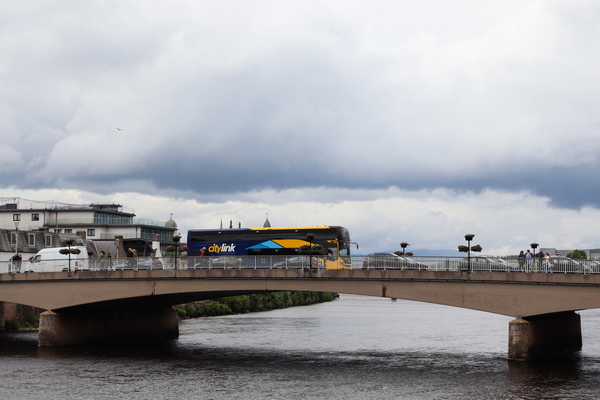
Citylink coach crossing the River Ness
From Inverness the coach crosses the River Ness and joins the A82 as it travels south out of the city and into the Great Glen. Soon you will be treated to views of the Caledonian Canal and Loch Dalfour.
Look out for Dochfour House on the right. This has been the ancestral home of the Baillies since the mid 1400s. The original house was burnt in 1745 during the Jaobite Rebellion and the current building dates from 1780.
Shortly afterwards the water opens up further as you start to travel along Loch Ness. This mighty and picturesque loch has impressive statistics – it is 23 miles long, has the largest volume of fresh water in Britain, is the second deepest loch in Scotland at 788 feet (240 metres), and is allegedly home to Nessie the Loch Ness Monster.
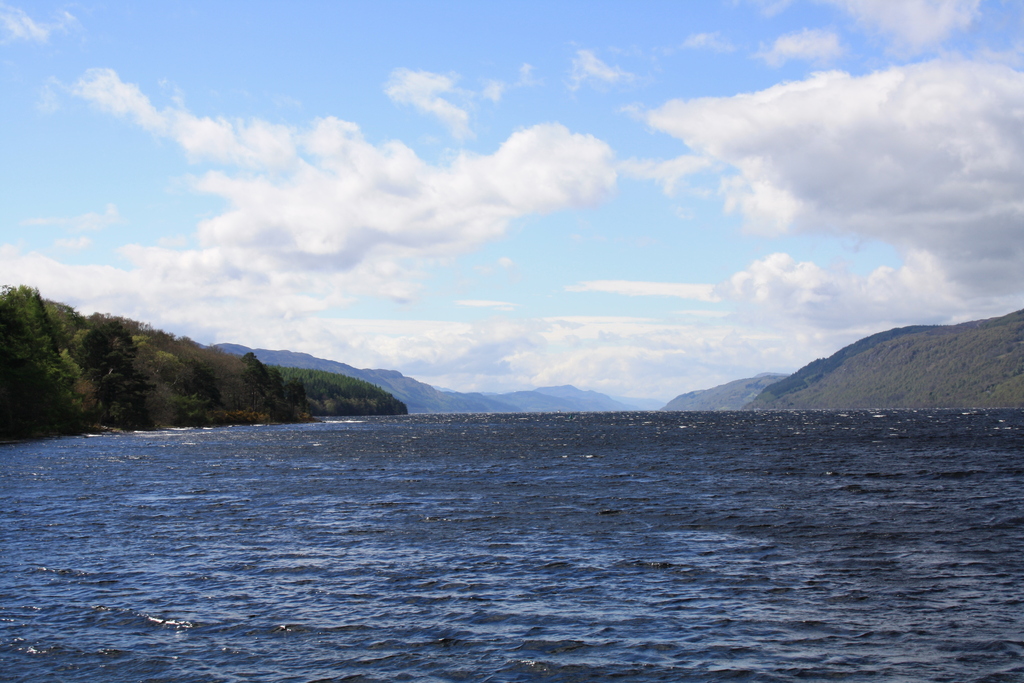
Loch Ness
Suggested stopping point: Drumnadrochit
Drumnadrochit is a popular large village. Here you can visit the Loch Ness Experience to find out all about the Loch Ness Monster, visit the tiny Great Glen Gin Distillery, have a Meet & Greet with Highland Coos, and local walks - we like Craigmonie Woods, Balmacaan Woods, and Urquhart Bay Woods.
The Loch Ness Hub in the centre of the village offers luggage storage while you look round.
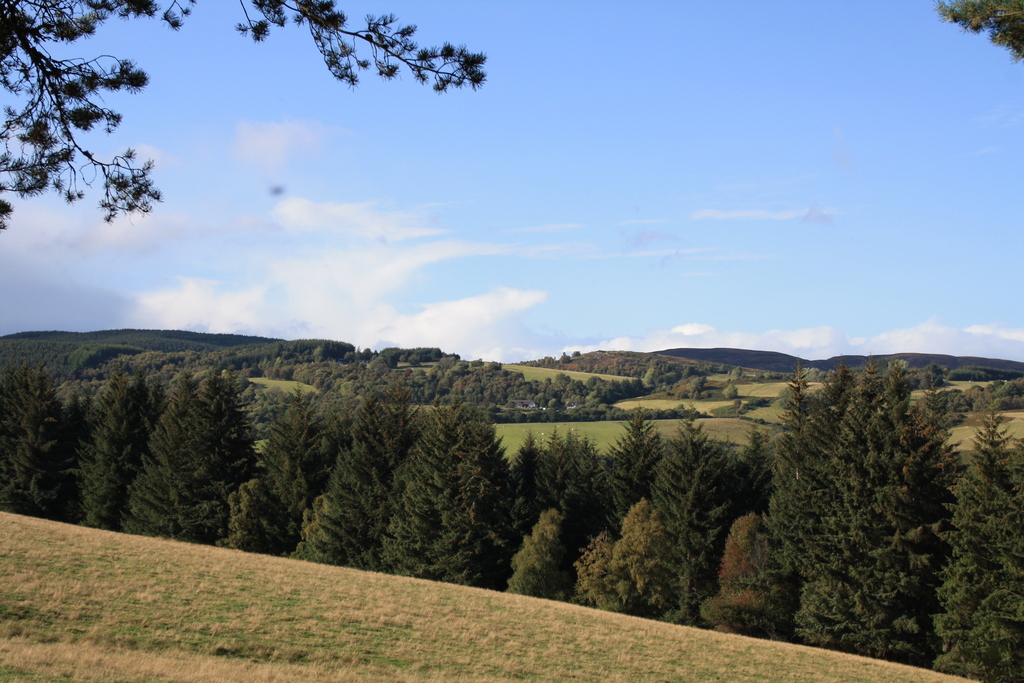
View from Craigmonie Woods
Trees in Craigmonie Woods
Suggested stopping point: Urquhart Castle
Situated on the shores of Loch Ness, shortly after Drumnadrochit. The castle is almost entirely ruined and yet remains one of Scotland's top visitor attractions. Here you can learn about 1000 years’ of history including conflict, power struggles and being blown up in 1692.
It has amazing views over Loch Ness and is one of the few places on the north side of the loch where you can reach the water – there is a small, stony beach there (no swimming). There is also a visitor centre with a small exhibition, a film show, shop and cafe.
Note: there is no luggage storage and you will need to keep items with you at all times. Luggage is allowed in the castle, however, if travelling in a group you may prefer to take it in turns to sit in the cafe.
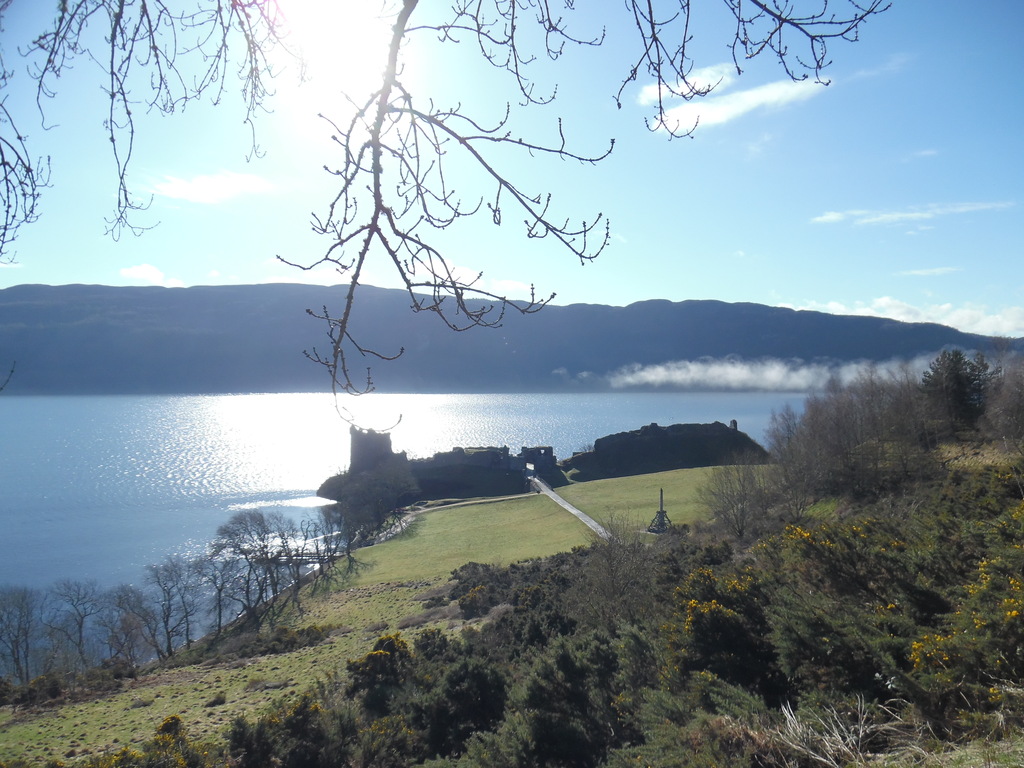
A glorious day at Urquhart Castle
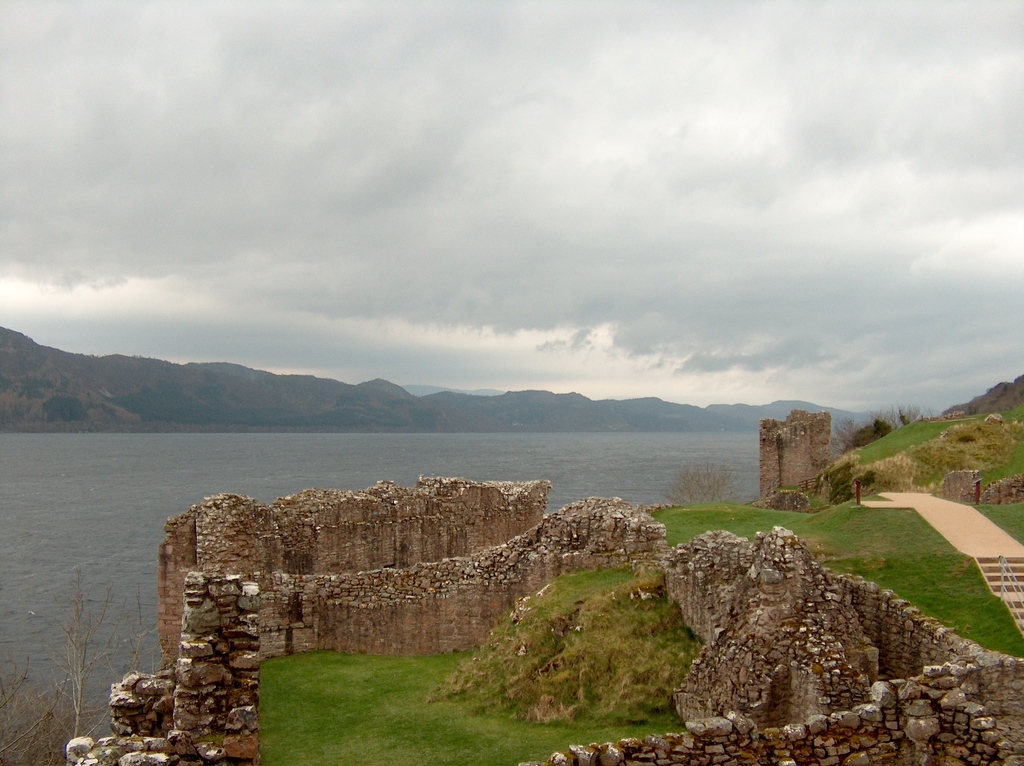
The castle is ruined
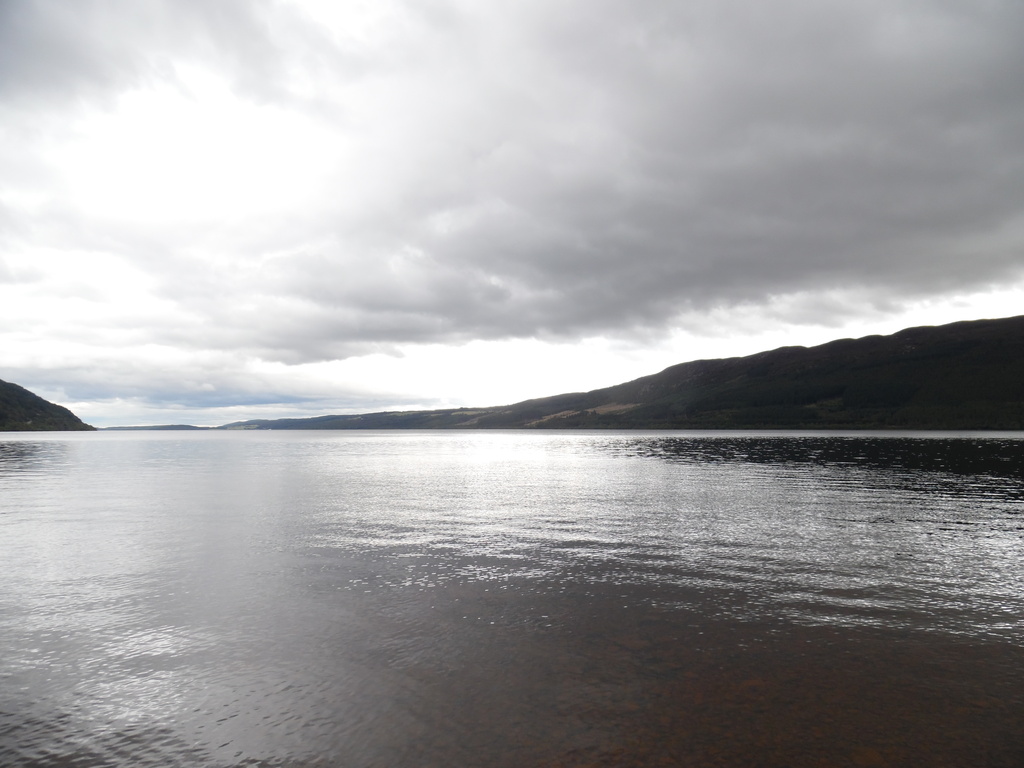
View of Loch Ness from Urquhart Castle beach
After Drumnadrochit and Urquhart Castle the coach continues its journey along Loch Ness, through the small village of Invermoriston. Here you will see the junction for the road to Kyle of Lochalsh and Skye.
See our guide to the Coach journey between Inverness and Skye.
The coach crosses the River Moriston and continues its journey south alongside Loch Ness to reach Fort Augustus.
Suggested stopping point: Fort Augustus
Fort Augustus is a picturesque and popular village with accommodation, restaurants, gift shops and cafes. It is at the south end of Loch Ness and is one of the places where you can access the water.
On a good day you will get magnificent views down the loch. It is also where the Caledonian Canal meets Loch Ness, and you can watch boats navigate through the series of locks.
The Caledonian Canal Centre has an exhibition on the history of the canal and surrounding area, as well as a cafe and shop.
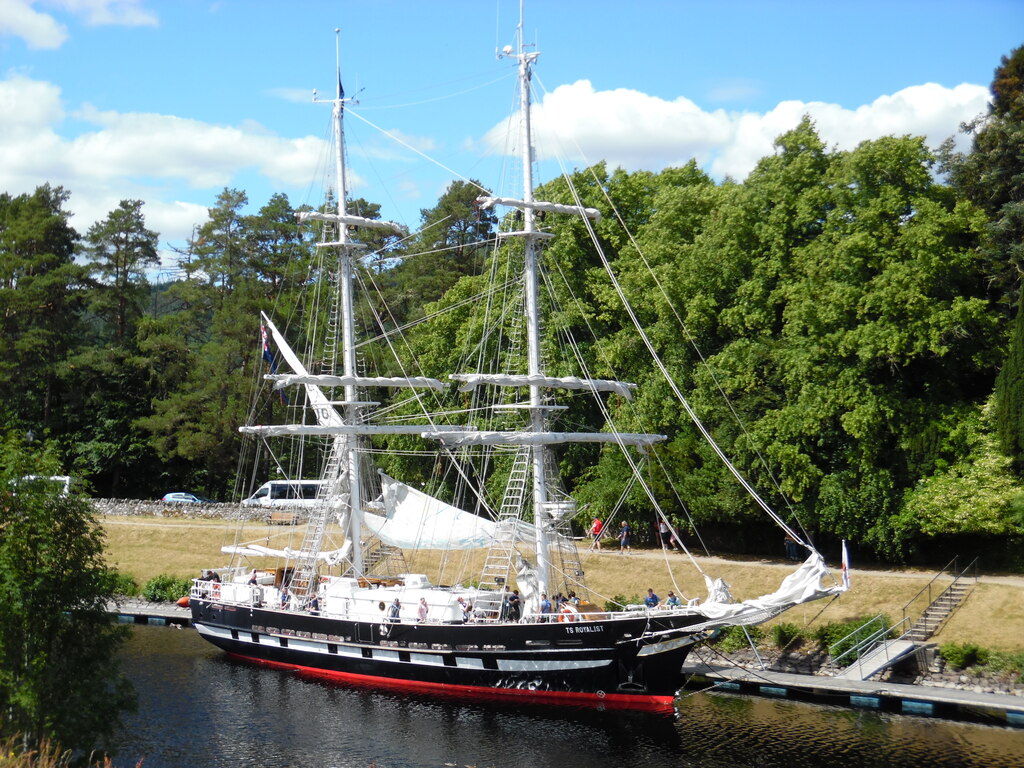
TS Royalist at Fort Augustus
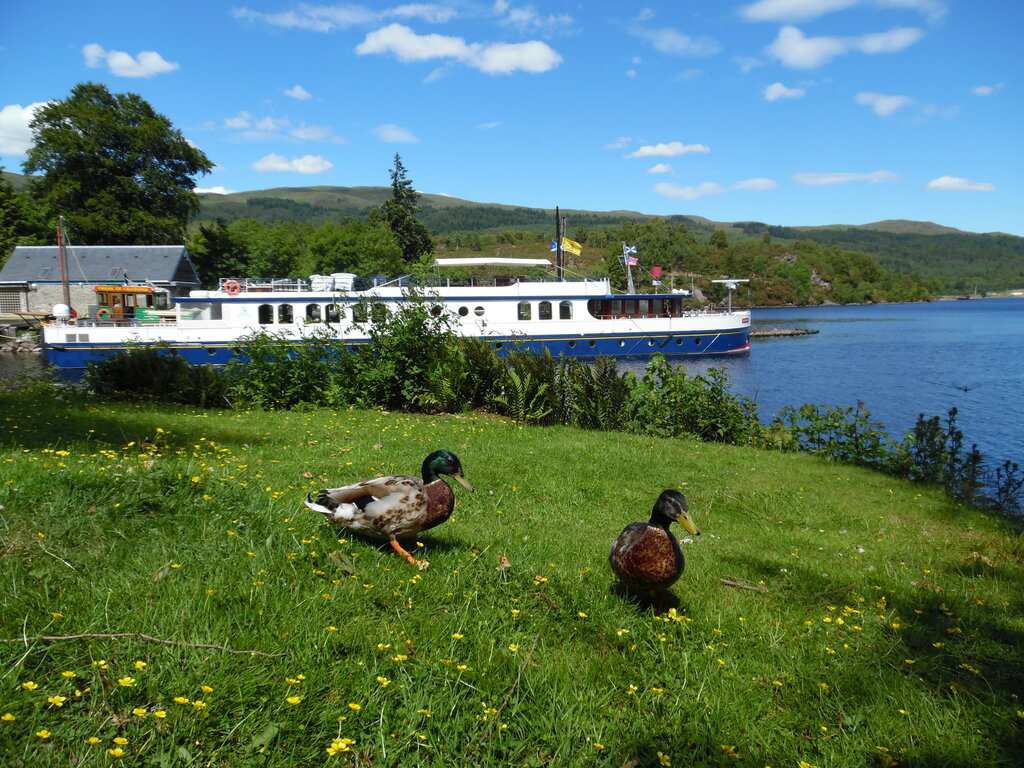
This couple get to admire the views of Loch Ness every day
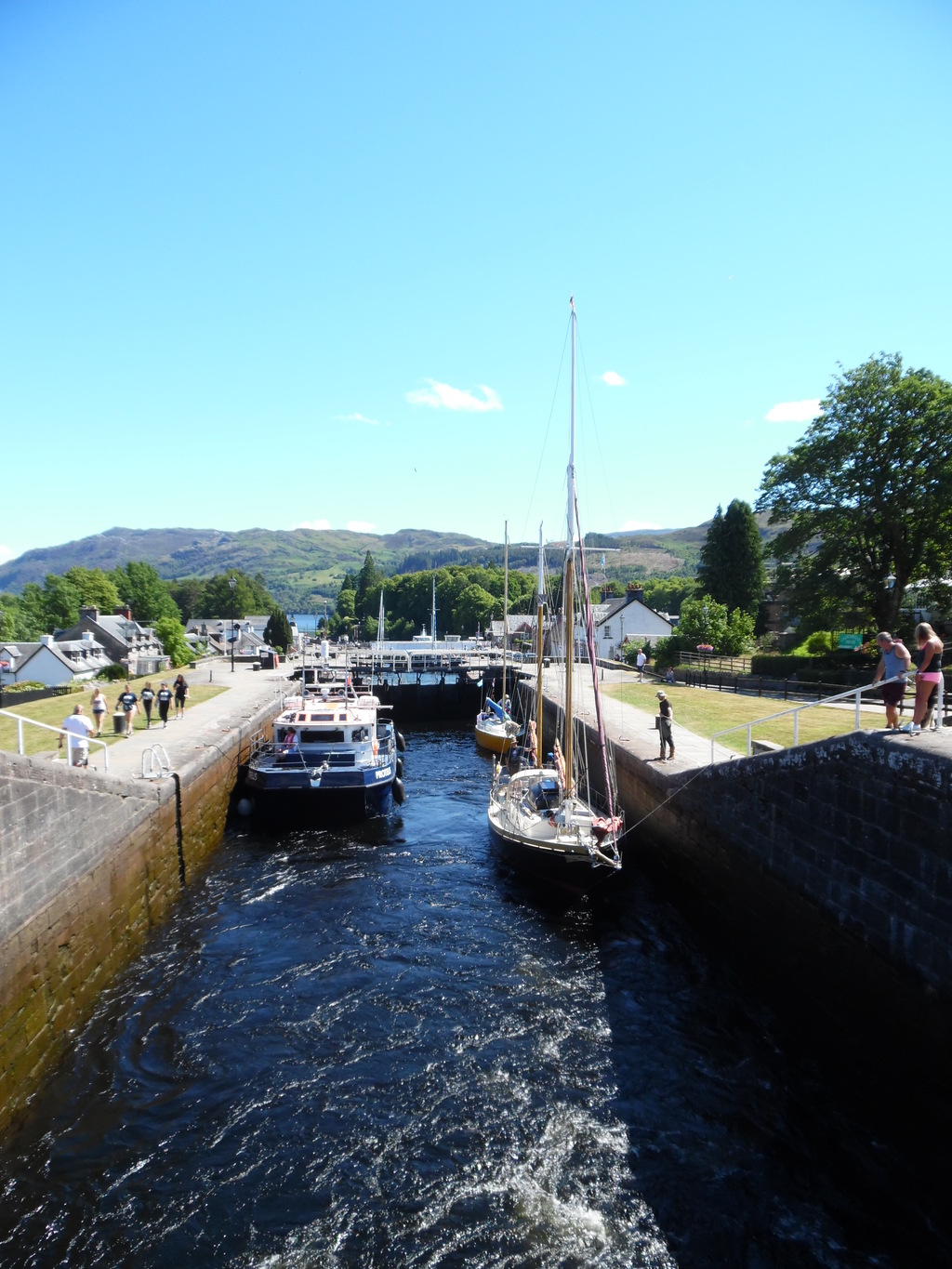
The five locks take about 90 minutes to travel through
Departing Fort Augustus, the coach crosses the River Oich and the Caledonian Canal (look right to see the series of locks). Shortly after leaving the village, you pass the small Loch Uanagan on the right.
The scenery becomes hills, woods and valley before crossing the canal and river again at Aberchalder. This is the start of Loch Oich, which you continue alongside before travelling slightly inland to reach Invergarry.
After crossing the River Garry, the coach rejoins Loch Oich down to the south of the loch, where it again crosses Caledonian Canal. Once again the scenery becomes hills, woods and valley as you travel south to reach Ceann Loch and then Loch Lochy.
This glorious loch is 9 miles long and is the third deepest loch in Scotland. This time those sitting on the right of the coach get the best views.
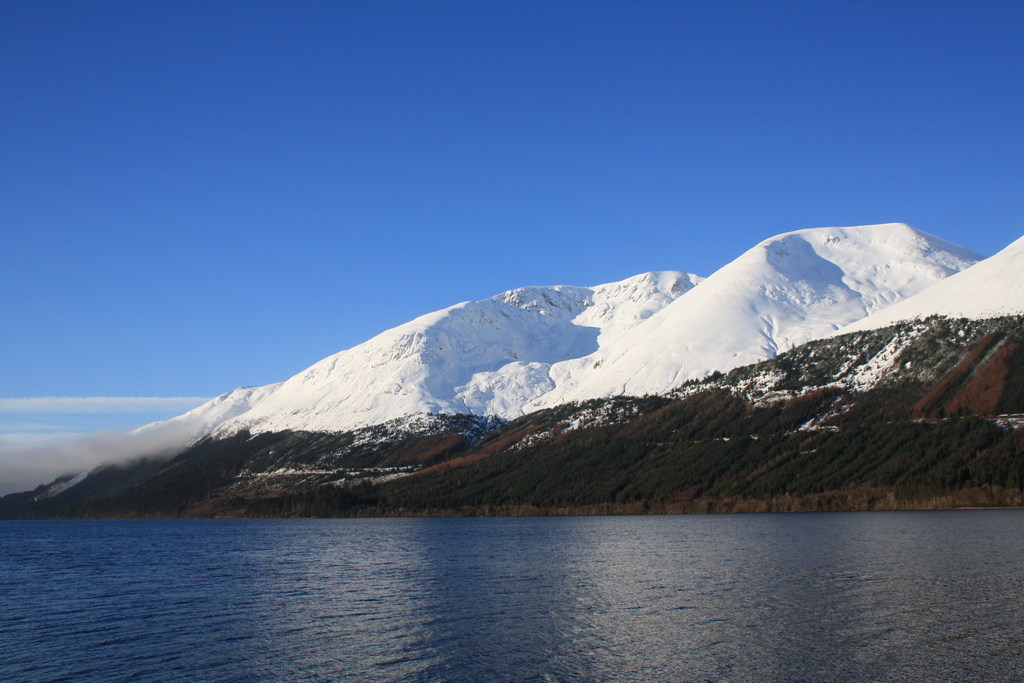
Loch Lochy
After travelling most of the length of the loch, the coach heads inland to reach Spean Bridge. You will have impressive mountain views.
Look out for the Commando Memorial as you approach Spean Bridge. Opened in 1952, this memorial is dedicated to the commandos of the Second World War who trained at nearby Achnacarry Castle and the surrounding area. There are also excellent views of Ben Nevis from here.
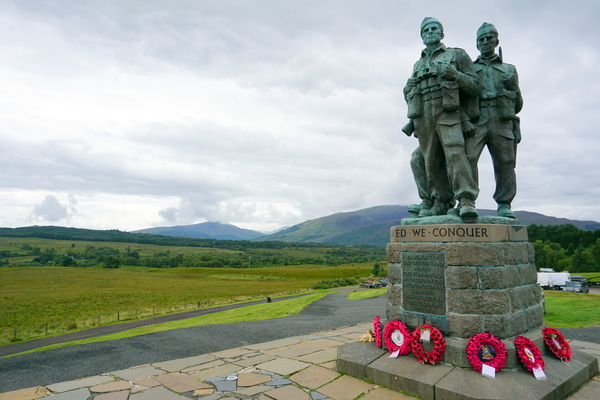
Commando Memorial, Spean Bridge
Photo credit: “Commando Memorial, Spean Bridge” by Matt Kieffer, CC BY-SA 2.0
Spean Bridge is a small village which is busy due to the intersection of three main road routes: north to Inverness and Skye, south to Fort William and east to the Cairngorms.
Here the coach crosses the River Spean and travels south to its destination Fort William, following the path of the West Highland Line as it does so.
See our Guide to Fort William for places to visit, accommodation and restaurants in this busy town.
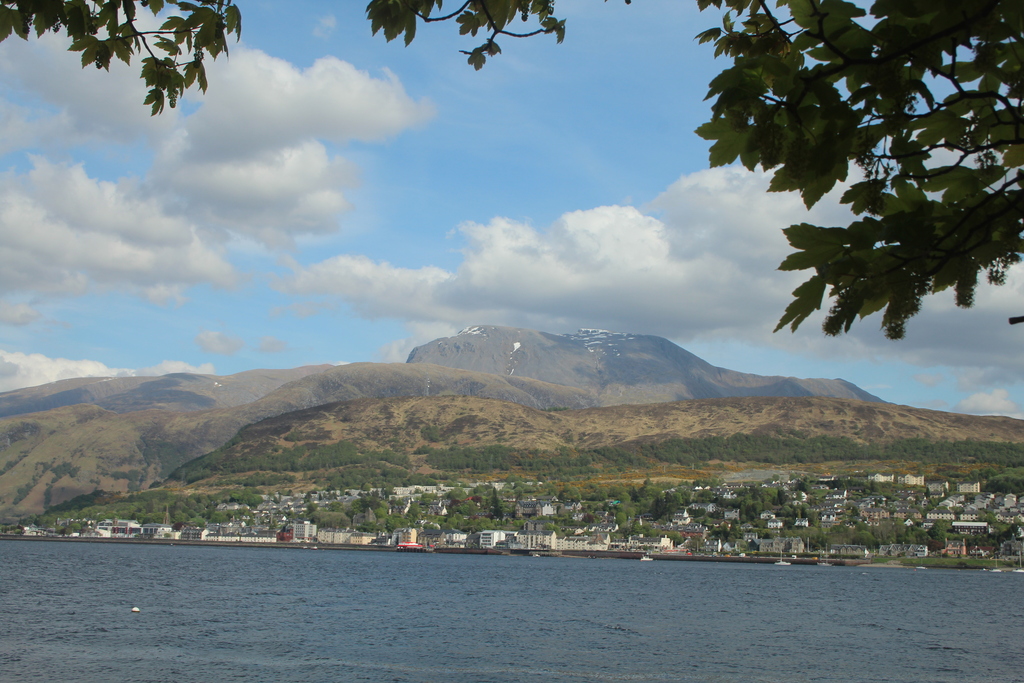
Ben Nevis and Fort William
Photo credit: “Ben Nevis and Fort William” by Ian Gratton, CC BY 2.0
If you are travelling with Citylink, you will have a wait of 30 or 50 minutes in Fort William before boarding your second coach.
From Fort William, the coach travels 25 miles alongside the magnificent Loch Linnhe (sit on the right side of the coach for the best views). At Ballachulish the coach crosses Ballachulish Bridge where Loch Leven meets Loch Linnhe.
There are stunning views in both directions. The coach now detours alongside Loch Leven to reach Ballachulish village, before retracing the route back to Ballachulish Bridge and continuing its journey alongside Loch Linnhe as far as Appin.
Look out for the small Shuna Island on your right, which is just over a mile long and half a mile wide. Shortly afterwards also look out for Castle Stalker which is privately owned and sits on its own tiny island.
The coach now travels inland through woods as far as Creagan, where it travels alongside Loch Creran. Crossing Creagan Bridge, you will have lovely views in both directions. The coach continues alongside Loch Creran then travels inland before emerging alonside Ardmucknish Bay.
You will then pass Oban Airport in North Connel. Hebridean Air Services operate regular scheduled flights from here to the islands of Coll, Tiree, Colonsay, Stornoway and Benbecula.
The coach then crosses Connel Bridge, a steel cantilever bridge built in 1903 with magnificent views in both directions. Depending on the tides you may also be able to see the Falls of Lora.
Connel is a small, pretty village at the sea end of Loch Etive. From here you travel down to Dunbeg. Look out for the attractive Dunstaffnage Bay on your right.
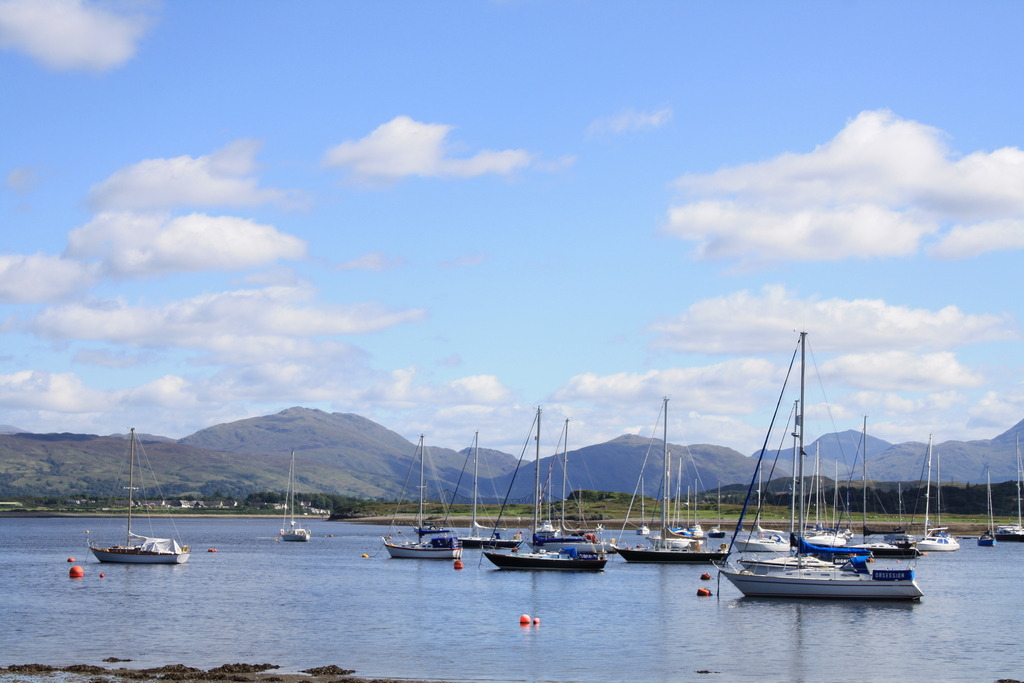
Dunstaffnage Bay
In the distance you may also catch a glimpse Dunstaffnage Castle through the trees.
The castle is located in nearby Dunbeg overlooking Firth of Lorn. It is one of Scotland’s oldest stone castles, built in the 13th century for the powerful MacDougalls.
It was besieged by Robert the Bruce around 1308 and in 1746 held Flora MacDonald for a few days after her arrest for helping Bonnie Prince Charlie escape.
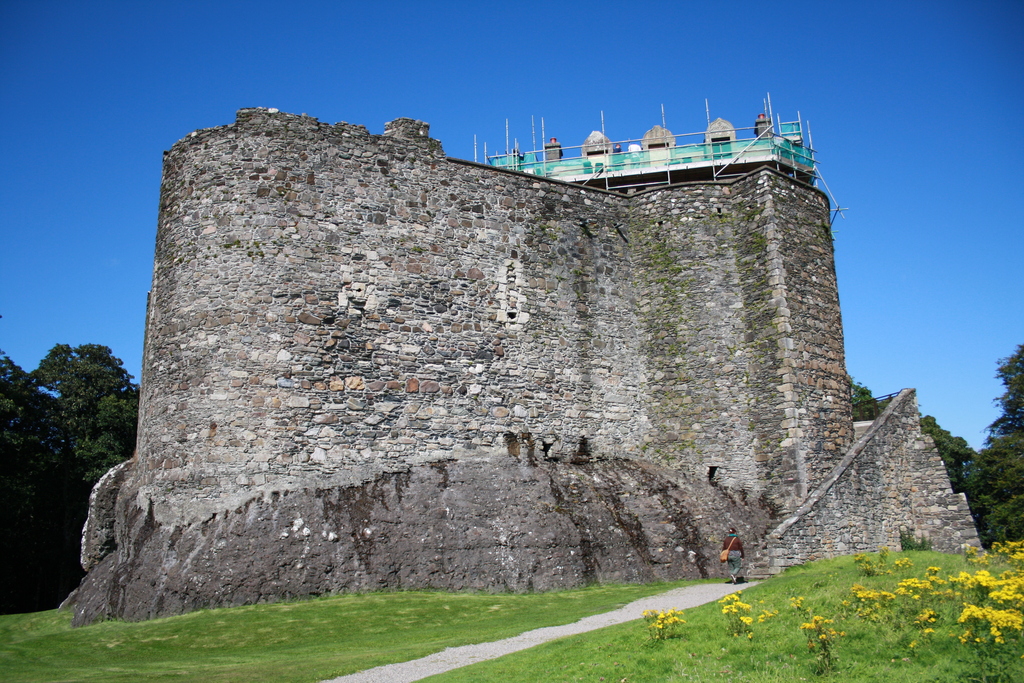
Dunstaffnage Castle
It is now a short distance to your final destination of Oban. This is a wonderful resort town situated on an attractive and sheltered bay and overlooking the nearby islands. It is known as the seafood capital of Scotland and Gateway to the Isles.
See our Guide to Oban for places to visit, accommodation and restaurants in the town.
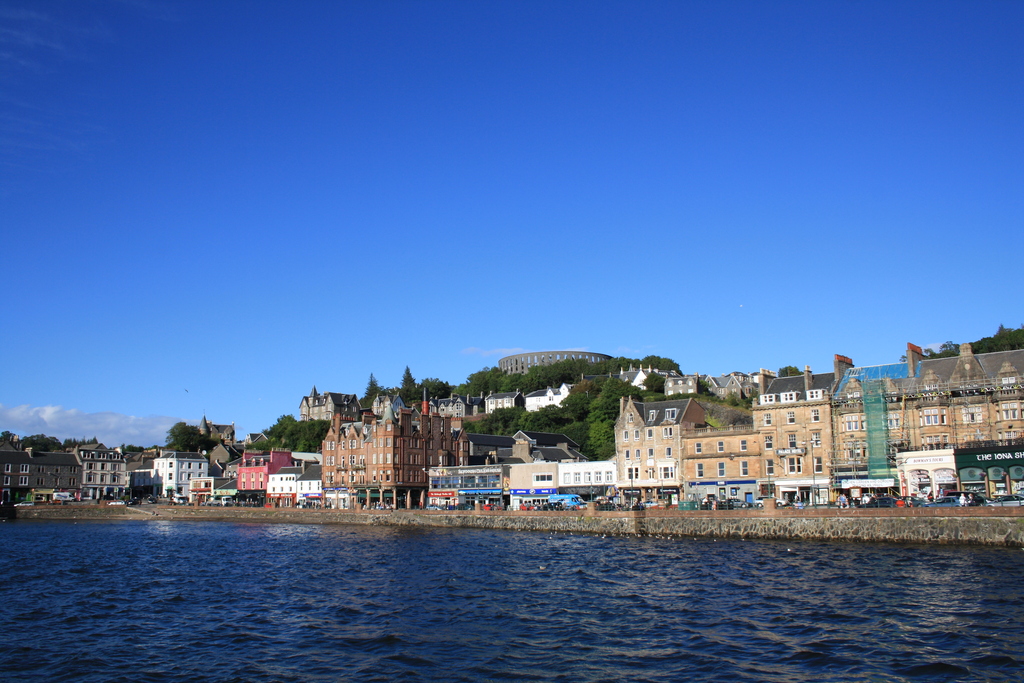
Oban Promenade and McCaig's Tower
Page last updated 25 July 2026